
After someone dies, your phone can suddenly fill with messages. A thank you message for condolences is a simple way to acknowledge the people who reach out, whether they send a text, call, bring food, send flowers, attend the funeral, or simply say, “I’m thinking of you.”
You can value every part of that support and still feel completely speechless. That is normal. When you are grieving, you do not need to write the perfect response or explain everything you are feeling.
The right condolence thank-you message can be short, personal, and honest. If you are not sure what to say, start with one genuine sentence and add a specific detail when you have the energy.
What to Say in a Thank You Message for Condolences
You can acknowledge the message without trying to make your grief sound better than it feels.
For example:
I really appreciate you reaching out. It has been a hard few days, and your message meant a lot to me.
Or:
Thank you for thinking of us. We’re taking things one day at a time, and your kindness has been appreciated.
Notice that neither response is complicated.
You are not required to give the person a full update about your emotions. You are simply recognizing their effort.
That is often all a condolence reply needs to do.

Need Help Finding the Right Words?
If you are struggling to write a personal response, try our FREE MESSAGE GENERATOR to create a starting point for your thank-you message. You can then personalise it to reflect the support you received and what you genuinely want to say.
Short Thank You Messages for Condolences
There are days when even writing a text feels like work.
On those days, keep it extremely simple.
- I appreciate you thinking of me. Thank you.
- Thank you for reaching out. It means a lot.
- Thank you so much for taking a moment to check in.
- Thank you for remembering our family.
- I value your text far more than I can express at this moment.
- Thank you for being so thoughtful.
- It was kind of you to reach out. Thank you.
- I’m very grateful for your support.
- Thank you so much for remembering us in your thoughts.
- I truly appreciate your kindness.
These are especially useful when you are replying to several people and do not have the emotional energy to write something different every time.
If You Want Your Reply to Come Across As More Personal
A generic response works, but sometimes a person’s message deserves something more specific.
Think about what they actually did.
Think about what they actually did.
Maybe they called to check on you or sat with you when you needed company.
Perhaps they shared a funny or touching memory about the person who died.
If they brought food, mention how much that simple gesture helped.
When someone travels to attend the funeral, acknowledging that effort can make your message feel especially personal.
Mentioning that detail can make your response feel much more personal.
Example
Instead of:
Thank you for your support.
Try:
Thank you for coming over and sitting with us that evening. I honestly didn’t feel like talking much, but having someone there helped.
That sounds less like a prepared condolence response and more like something you would naturally say to someone you know.
Thank You Messages for Someone Who Checked In
Sometimes the most meaningful support is simply someone continuing to check on you after the first few days.
You could say:
Thank you for continuing to check in. I know there isn’t much anyone can say to fix this, but knowing you care has meant a lot.
Or:
I appreciate your messages. Some days are harder than others, so it helps knowing I can hear from someone who understands.
For a close friend:
Thank you for sticking around even after the funeral. Your little check-ins have meant more than you probably realize. If you want more ways to thank a friend who has supported you, explore these thank-you messages for a friend.
That last kind of message can be especially meaningful because grief often becomes lonelier after the initial rush of support has passed.
Thank You Message for Condolences and Flowers
If someone sends flowers, you don’t have to write a formal note.

A natural response could be:
The flowers arrived today. They were beautiful, and it was really thoughtful of you to send them. Thank you for thinking of us.
Or:
Thank you for the flowers. Seeing them here has been a small comfort, and I appreciate you remembering our family.
If the flowers were sent to the funeral home:
Thank you for sending flowers to the service. It was a thoughtful way to remember him, and our family really appreciated it.
A specific detail makes this kind of response feel much more genuine.
Thank You Messages for Condolences When Someone Brings Food
This is particularly common when friends, neighbors, or relatives want to help a grieving family.
You can keep the response practical:
Thank you for bringing dinner over. We haven’t had much energy for cooking, so your thoughtfulness helped more than you know.
Or:
We really appreciated the meal. It was one less thing for us to think about that evening. Thank you truly for looking after us like you did.
Thank You Message for Condolences After a Funeral
This is often better than trying to make the message overly emotional.
Just tell them what their action actually did for you.
Someone may have driven several hours, taken time off work, or rearranged their schedule to attend.
That effort is worth mentioning.
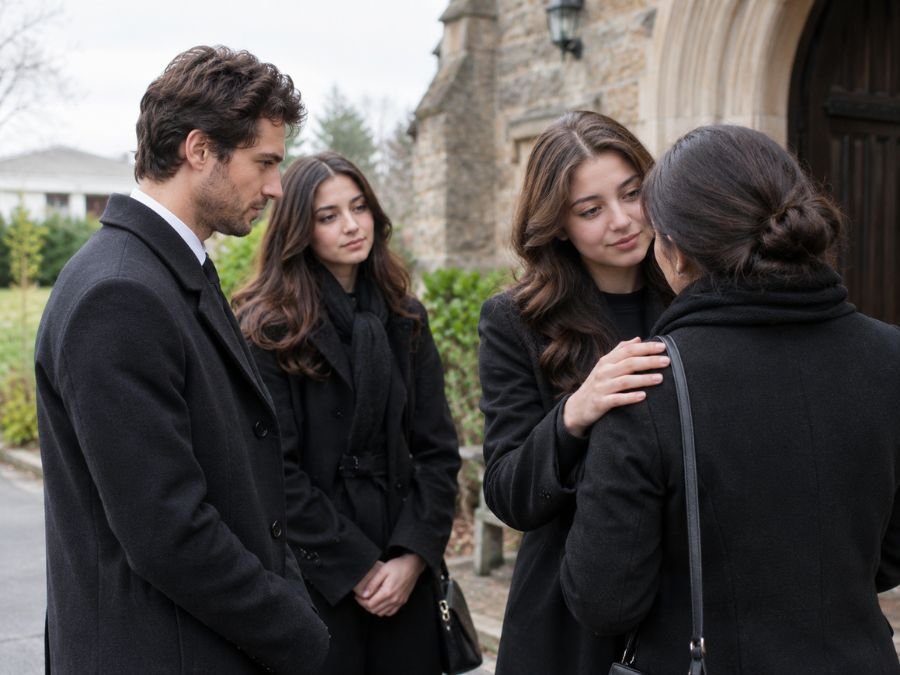
Thank you for making the trip to the funeral. Seeing you there meant a lot to our family, especially on such a difficult day.
If they traveled from another state:
I realize getting here was tough, which makes me appreciate your presence even more. Thank you so much for coming and remembering Dad with us.
That kind of detail can turn a standard thank-you into a meaningful personal note.
Thank You Messages for Condolences From a Coworker
Work relationships usually call for a slightly more restrained response.

Feel free to keep your private details to yourself unless you’d like to share them.
Try:
Thank you for reaching out. I appreciate your understanding and kind thoughts while my family and I work through this.
Or:
Thanks a lot for putting together such a thoughtful note. I truly appreciate your understanding.
For a manager:
Thank you for your kindness and understanding during this difficult period. I truly appreciate your support.
For a close coworker:
Thank you for checking in. It has been a rough stretch, and I really appreciate having a friend at work who understands.
Thank You Messages for Condolences and Prayers
If someone tells you they are praying for you, you can acknowledge that directly.
Thank you for keeping us in your prayers. Knowing that people are thinking of our family has been comforting.
Or:
I really appreciate your prayers. Thank you for remembering our family during this time.
If faith is important to both of you, you can make the response more personal:
Thank you for your prayers and for continuing to remember our family. We are taking things one day at a time and trusting God through it.
The wording should reflect your own beliefs, rather than something that sounds borrowed.
Thank You Message for Condolences When a Friend Shares a Memory
This can be one of the most meaningful kinds of condolence messages.
If someone tells you a funny or touching story about the person who died, acknowledge the memory itself.
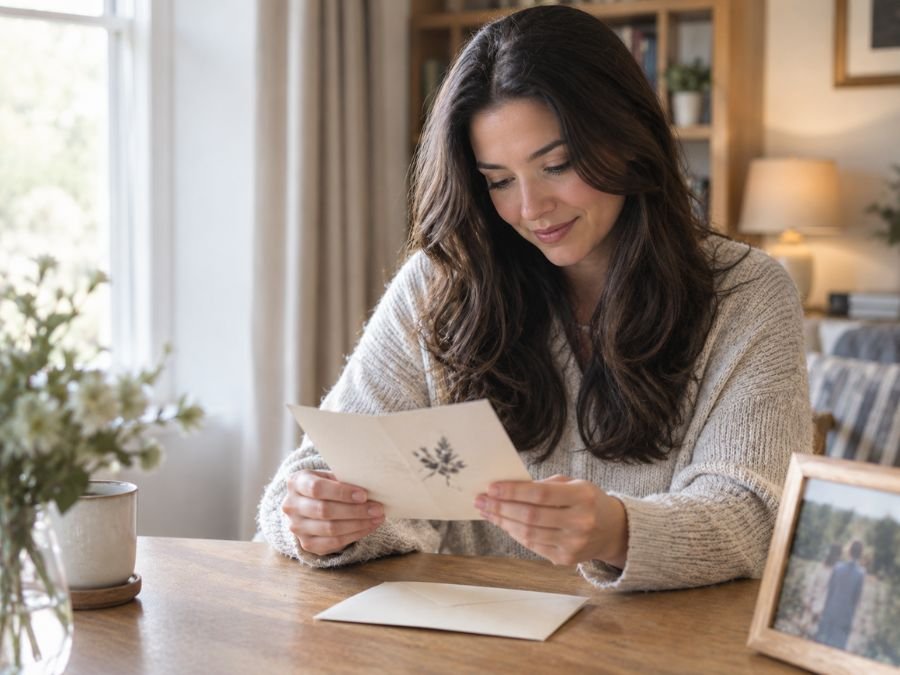
Thank you for telling me that story about Mom. I had never heard that one, and it actually made me smile today. I’m glad you shared it with me.
Or:
I really appreciated hearing your memory of him. It reminded me of how many people he touched without even realizing it. Thank you for sharing that.
This type of response does something different from a basic “thank you.” It continues the person’s memory.
If Someone Says “I’m Here If You Need Anything”
You can simply acknowledge the offer.
Thank you. I really appreciate knowing I can reach out if I need someone.
If you actually need help:
Thank you. I may take you up on that. I could use some help with meals this week if you’re still willing.
There is no reason to pretend you need nothing if practical help would make your week easier.
Thank You Message After Losing a Parent
The loss of a parent can make ordinary communication surprisingly difficult.
You could write:
Thank you for reaching out after Mom passed. I’m still trying to take everything in, but I wanted you to know that I appreciate your message and the care behind it.
For a father:
Thank you for thinking of us after Dad’s passing. Your message brought some comfort during a very difficult week.
For someone who knew your parent:
Thank you for sharing that memory of Dad. It meant a lot to hear how you remember him.
After Losing a Husband or Wife
You don’t have to make the message sound formal just because the loss is profound.
Thank you for checking on me after losing my husband. These days have been incredibly difficult, and I’m grateful for your patience and kindness.
Or:
I appreciate you reaching out after my wife’s passing. Thank you for remembering her and for thinking of me during this difficult time.
If the person knew your spouse personally, mention something specific they shared.
That usually feels more meaningful than a generic sympathy response.
After Losing a Child
There may be no sentence that adequately describes this kind of grief. A response can therefore be extremely simple.
Thank you for remembering our family and our child. Your kindness means more than I can put into words right now.
Or:
Thank you for reaching out and for keeping our family in your thoughts. We deeply appreciate your kindness.
You don’t need to explain anything further.
After Losing a Sibling
A simple response can acknowledge both the loss and the person’s connection to your family.
Thank you for remembering my brother and for reaching out to us. Your message meant a great deal to our family.
Or:
I appreciate your kind words about my sister. Thank you for taking the time to remember her with us.
When You Don’t Want to Talk About the Loss
This is important: you don’t owe everyone a detailed conversation about your grief.
If someone sends a long message and you are not ready to talk, you can respond briefly.
Thank you for reaching out. I’m keeping things quiet right now, but I really appreciate your thoughtfulness.
Or:
I appreciate your message. I’m not quite ready to talk about everything yet, but thank you for understanding.
That lets the person know you received their message without opening a conversation you are not ready to have.
When You Need More Time Before Responding
You don’t have to answer immediately.
If several days have passed, you can still reply.
I’m sorry I haven’t responded sooner. The past couple of weeks have been a lot to process. I wanted to thank you for reaching out and thinking of my family.
But even that apology isn’t necessary.
You are grieving, not ignoring people.
A simple:
Thank you for your message. I’m sorry it took me a while to respond, but I really appreciated hearing from you.
is enough if you want to acknowledge the delay.
Thank You Message for Condolences on Facebook
If dozens of people have reached out, responding one by one may be exhausting.
A general post can save you that pressure.
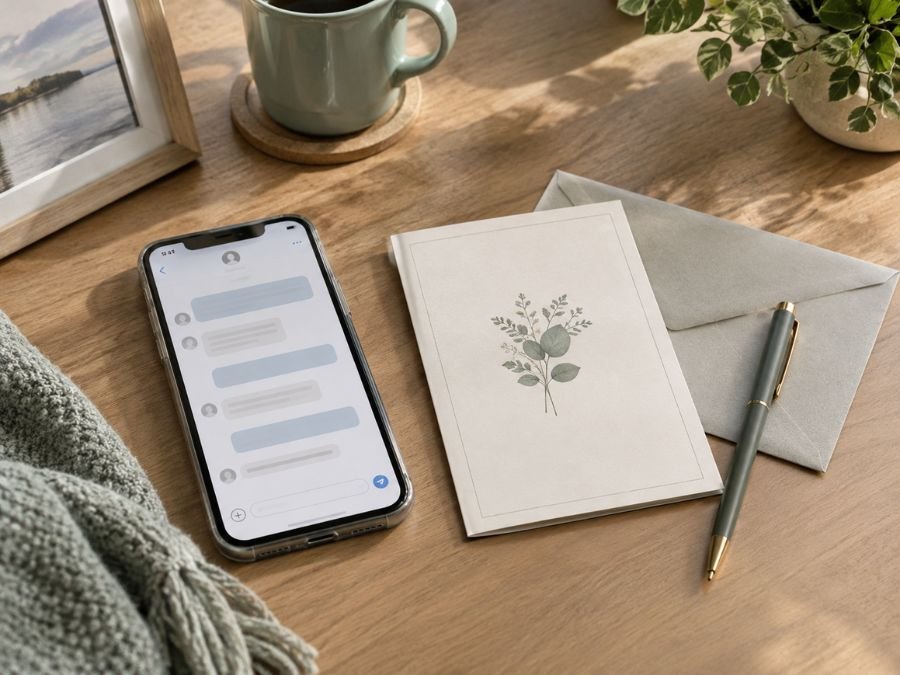
Option 1
Thank you to everyone who has reached out to our family over the past few days. We’ve read your messages, felt your prayers, and appreciated every call, visit, and thoughtful gesture. We may not be able to respond to everyone individually, but please know that your kindness has not gone unnoticed.
Option 2
Our family is incredibly grateful for everyone who has checked in, sent messages, attended the service, and kept us in their thoughts. This has been a difficult time, and your support has helped us feel surrounded by people who care. Thank you.
This approach is especially useful when you simply don’t have the capacity for dozens of individual replies.
What If You Don’t Know the Person Very Well?
You can keep the response polite and brief.
Thank you for your kind message. I appreciate you taking the time to reach out.
For a neighbor:
Thank you for checking on our family. It was very thoughtful of you.
For a former coworker:
I appreciate you reaching out and thinking of me. Thank you for your kindness.
There is no need to make every response deeply emotional.
How to Make Your Message Sound Like You
The easiest way to avoid a stiff or generic response is to answer three questions:
What did they do?
Did they call, visit, pray, send flowers, bring food, attend the service, or share a memory?
What did that mean to you?
Did it make you feel supported, less alone, remembered, or simply cared for?
What would you normally say to this person?
A message to your sister should not sound like a message to your boss.
For example:
To a friend:
Thank you for checking on me every day. I know you don’t always know what to say, but just knowing you’re there has helped.
To a coworker:
Thank you for your thoughtful message and for giving me the space I needed. I really appreciate your understanding.
Same situation. Completely different relationship.
That’s what makes the response feel personal.
25 More Natural Ways to Say Thank You
If you don’t want every message to begin with “Thank you for your condolences,” try changing the opening.
- I really appreciated hearing from you.
- Your message meant a lot to me.
- It was very kind of you to reach out.
- I’m grateful you thought of us.
- Your note brought some comfort.
- I appreciate you being there.
- It meant a lot to see your message.
- Thank you for remembering our family.
- I’m glad you reached out.
- Your kindness hasn’t gone unnoticed.
- I truly appreciated your call.
- Thank you for checking in.
- Your support has meant a great deal.
- I’m grateful for your thoughtfulness.
- Thank you for remembering him.
- Thank you for remembering her.
- I appreciated hearing that memory.
- Your words gave me some comfort.
- Thank you for standing with us.
- I’m grateful you were there.
- Thank you for making the effort to come.
- Your kindness helped more than you know.
- I appreciate you thinking of my family.
- Thank you for being so considerate.
- I’m very grateful for your support.
The point isn’t to avoid the word “thank you.” It’s to avoid making every response sound like the same template.
Should You Send a Text, Card, or Email?
There isn’t one correct method.
Text: Best for friends, relatives, and people you normally text.
Card: A thoughtful choice for someone who sent flowers, attended the funeral, or offered significant support.
Email: Often appropriate for coworkers, managers, clients, or professional contacts.
Social media: Useful when many people have offered condolences publicly.
Choose the method that fits your relationship rather than worrying about a strict etiquette rule.
Do You Need to Thank Someone for Condolences?
Not immediately.
Traditional etiquette may encourage people to send thank-you notes after a funeral, but grief does not follow a fixed timetable.
If replying feels manageable, send a message.
If it doesn’t, give yourself time.
Grief affects everyone differently, and there is no need to rush the process. For more information about coping with loss, read the NHS guidance on grief after bereavement.
You can also ask a close family member to help organize messages or send a general acknowledgment on behalf of the family.
The people who care about you are unlikely to measure your grief by how quickly you answer a text.
The Best Condolence Thank-You Is Usually Specific
One of the simplest ways to make your message more meaningful is to mention something real.
A thoughtful thank you message for condolences can acknowledge someone’s kindness while keeping your response personal and sincere.
Compare these:
Thank you for your support during this difficult time.
with:
Thank you for bringing coffee over the morning after the funeral. I hadn’t thought about breakfast at all, and that small gesture helped more than you probably realized.
The second message feels personal because it contains an actual moment.
You don’t need complicated vocabulary.
Specific beats impressive.
Short Thank You Message for Condolences
Here are a few options you can copy and personalize:
Thank you for reaching out. I really appreciate you thinking of me.
I’m grateful for your kindness and for remembering my family.
Thank you for checking in. It meant a lot to hear from you.
I appreciate your message more than I can say right now.
Thank you for being there for us. We’re truly grateful.
One Last Thing: Don’t Search for the “Perfect” Words
Grief has a way of making ordinary tasks feel harder than they normally would.
You may rewrite the same text five times because you’re worried it doesn’t sound right.
It probably doesn’t need another rewrite.
If someone cared enough to reach out, they will usually understand that you’re responding from a difficult place. A simple “I appreciate you thinking of me” can carry more meaning than a beautifully written paragraph.
Your job isn’t to create the perfect response.
It’s simply to acknowledge the kindness when you are ready.
Frequently Asked Questions
What is the best thank you message for condolences?
A simple response such as “I really appreciate you reaching out. Your kindness has meant a lot to me and my family” works well in most situations.
How soon should I respond to condolences?
Whenever you feel able. There is no need to rush a response while you are grieving.
Do I have to answer every sympathy message?
No. If you’ve received many messages, a general thank-you post can acknowledge everyone’s support.
What should I say when someone sends flowers?
Mention the flowers specifically and tell them you appreciated the thought behind the gesture.
Is texting a thank-you for condolences appropriate?
Yes. A text is perfectly natural when that’s how you normally communicate with the person.
Should I send a handwritten note?
A handwritten note can be a thoughtful choice, especially for someone who provided significant support, but it isn’t required.
What if I don’t know what to say?
Keep it simple. “Thank you for thinking of me” is enough.
Can I thank someone weeks after the funeral?
Absolutely. Respond when you have the emotional space to do so.